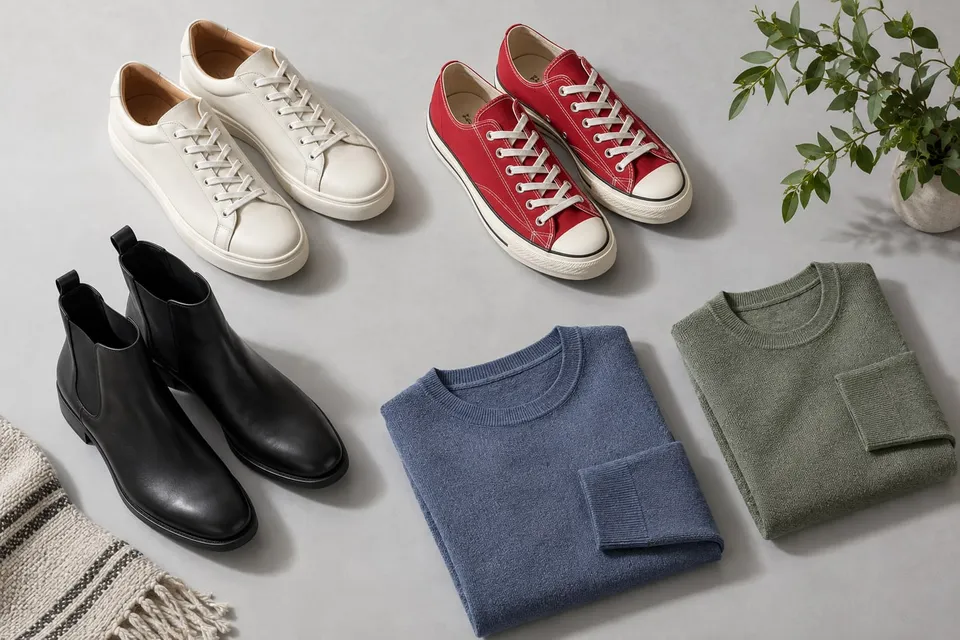
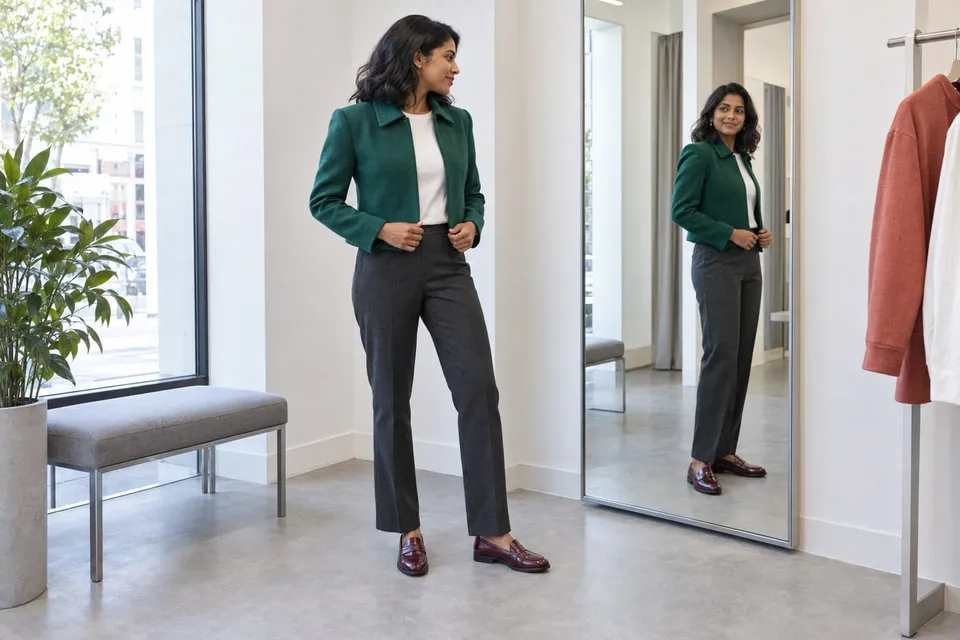
Can visual previews reduce fashion returns? Measure the reason first
Separate appearance doubts from fit, delivery and quality issues. Build a returns pilot with mature delivery cohorts, reason codes and a clear economic decision.
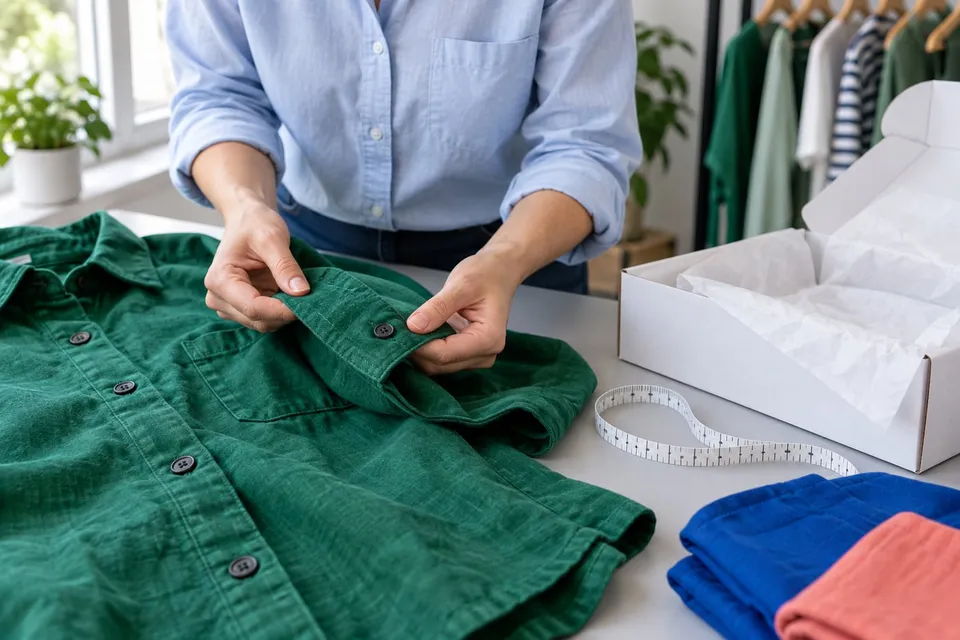
Identify the uncertainty a photo can address
A shopper wondering whether a jacket works with their wardrobe has a different problem from someone unsure about shoulder movement. A preview may help with the first question; it does not measure the second. Start with support questions and return reasons for a specific category. Frame reducing appearance-related disappointment as a hypothesis, not a promise to reduce every kind of return.
Make return reasons useful without forcing an answer
Distinguish unexpected style or silhouette, color or material appearance, size or physical fit, damage, delivery issues and changed preference. Allow an unknown reason and, where practical, more than one reason. Keep definitions stable during the pilot and review a sample for ambiguous coding. Do not relabel a tight sleeve as a visual issue merely because the shopper used the preview.
Track delivered units through a complete window
Define an item return rate as returned units divided by delivered units from the same delivery cohort. Specify the accepted return window and processing delay, then wait until both have elapsed before calling a cohort complete. Separate undelivered cancellations, exchanges and partial returns. Do not divide this month's processed returns by this month's sales: those transactions may come from entirely different purchases.
Keep a fair comparison and its limitations
Randomize preview availability before purchase and preserve the original assignment when linking permitted order and return records. Report delivered units, purchasers, return counts and unknown reasons in each group. A return rate among buyers is informative, but the preview may also change who buys and which items they choose. Pair it with retained purchases and contribution per originally assigned eligible visitor to assess the full policy effect.
Measure understanding as well as transactions
Offer the same optional question at comparable points in both journeys: what is still uncertain about this purchase? Record response rates and distinguish appearance, fit and material questions. Responses can suggest why behavior changed, but volunteers may differ from other shoppers. A higher confidence score, fewer size-chart visits or more saved previews cannot substitute for observed purchases and mature return outcomes.
Check whether the preview creates new expectations
Review a consented sample against the source product: did a print move, a hem shorten or the fabric become smoother? Record the variant, issue type and severity without using personal photos in routine analytics. If a preview suggests a quality the product lacks, improve the input, explain the limitation or exclude that item. Keep size information, product details and return conditions easy to reach.
Choose an action from the evidence
Compare retained revenue and contribution after refunds, handling, delivery, generation and support costs using the same accounting in both groups. Report appearance-related returns beside all returns, with denominators and uncertainty. A changed stock mix or seasonal sale may need further analysis. Fix size guidance when fit dominates; fix product imagery when visual mismatches dominate. Expand only when the evidence supports your business threshold, and label incomplete results as provisional.
About this guide
Prepared with AI assistance by Focus Labs, the operator of VirtualTryOn.store. These guides explain the tool and practical purchase or integration checks; they are not independent product tests. External evidence is linked where used. Illustrations are AI-generated unless identified as product examples.